Applied Behavior Analysis (ABA) is most effective when the therapy environment aligns with a learner’s sensory profile, goals, and family context. For many families, the decision between in-home ABA therapy and clinic-based ABA services comes down to how well each setting accommodates sensory needs and facilitates meaningful skill acquisition. This therapy setting comparison explores how environmental modifications, teaching approaches, and caregiver participation differ between ABA service models—and how those differences can influence outcomes, comfort, and behavior generalization.
Body
The sensory world matters Children and adolescents on the autism spectrum often experience sensory sensitivities or sensory-seeking behaviors that can significantly impact learning and behavior. Whether a child is hypersensitive to noise, seeks deep pressure input, or struggles with visual clutter, the therapy environment can either buffer or amplify these experiences. The goal is not to eliminate all sensory input but to right-size it—creating a “just-right challenge” that supports regulation and engagement.
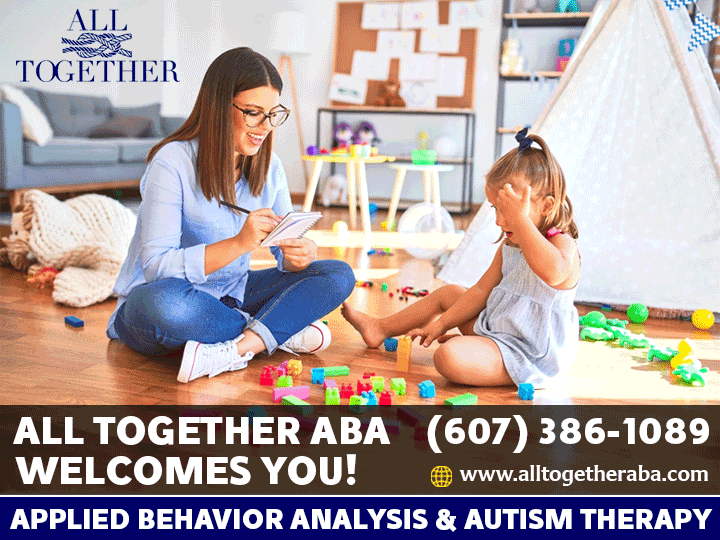
How home-based autism therapy supports sensory regulation In-home ABA therapy leverages the predictability and familiarity of a child’s daily environment. Because the home is often calmer and more customized to the child’s preferences, it can be easier to implement immediate environmental modifications, such as:
- Adjusting lighting, seating, or background noise Establishing sensory-friendly corners with weighted blankets, fidgets, or visual barriers Using the child’s own materials to reduce novelty-related dysregulation Scheduling sessions around known sensory triggers (e.g., after school transitions)
The home setting also lends itself to natural environment teaching (NET), where instruction is woven into routines like mealtime, hygiene, chores, or play. For learners who benefit from contextual cues and immediate relevance, NET in the home can accelerate skill uptake and improve behavior generalization to daily life.
When a structured therapy setting is advantageous Clinic-based ABA services typically provide a more controlled and structured therapy setting. These programs often feature:
- Dedicated therapy rooms with low visual clutter Access to a range of materials for systematic instruction Specialized equipment for sensory integration and motor planning Consistent schedules and clearer boundaries between work and play
This level of control can be particularly helpful for learners who require reduced distractions, precise skill shaping, or more intensive behavior support. Clinics can gradually introduce sensory challenges (e.g., busier hallways, group activities) in a planned way, building tolerance and flexibility. For some learners, the clinic’s predictability promotes faster acquisition of foundational skills that later transfer to the home and community.
Environmental modifications: tailoring the space to the learner Regardless of location, environmental modifications should be individualized and data-driven. Common strategies include:
- Auditory: noise-canceling headphones, sound-absorbing panels, soft background music at a tolerated volume Visual: reduced wall clutter, neutral color palettes, clear visual boundaries, visual schedules, and timers Tactile and proprioceptive: access to sensory bins, putty, weighted lap pads, or movement breaks Spatial organization: defined zones for work, play, and regulation; clearly labeled materials; seating matched to body size and posture needs
In home-based autism therapy, these modifications must be practical for daily life. In clinics, they can be standardized to ensure consistency across sessions and staff.
Teaching strategies and sensory integration NET thrives in the home, where motivation is naturally embedded in routines and personal interests. Clinicians can pair NET with proactive sensory supports, such as movement breaks before challenging tasks or deep pressure activities to promote regulation. In clinics, discrete trial training and other structured formats can be paired with sensory supports delivered at predictable intervals. A blended approach—combining NET’s relevance with structured lessons—often yields the most robust outcomes across ABA therapy locations.
Parent involvement ABA: a non-negotiable for success Parent and caregiver participation is critical no matter the setting. In-home ABA therapy offers daily opportunities for live coaching during routines, making it easier for caregivers to learn prompting, reinforcement, and environmental modifications they can sustain. Clinic-based ABA services should incorporate regular caregiver training, home practice plans, and collaboration with school teams to ensure behavior generalization. The best ABA service models measure not just learner progress, but caregiver fluency in strategies that maintain skills outside sessions.
Behavior generalization: closing the loop Skills must move beyond the therapy table. The home setting naturally promotes generalization, but additional planning may be needed for community carryover (e.g., stores, playgrounds). Clinics can simulate community-like environments and coordinate planned generalization across settings. Data collection should explicitly track performance across contexts—home, clinic, school, and community—to ensure durable outcomes.
Safety and clinical intensity Safety considerations sometimes tip the balance. When behaviors present significant risks, a clinic’s staffing levels, crisis procedures, and controlled layout may be essential. Conversely, if behaviors are context-specific to the home (e.g., elopement from the backyard, bedtime struggles), in-home ABA therapy provides direct access to those triggers and enables immediate, relevant interventions. Intensity and staffing (e.g., access to a BCBA, speech or OT collaboration) may be more readily available in clinics, though many robust Social services organization home-based teams can replicate this through coordinated care.
Logistics, costs, and access Travel time, insurance coverage, and scheduling flexibility shape feasibility. Clinics may offer more appointment options and peer interaction opportunities, while home services reduce travel burdens and allow siblings or other caregivers to engage. Hybrid ABA service models—splitting hours between home and clinic—can combine the strengths of both, offering structure when needed and NET opportunities in real-life contexts.
How to choose: a practical framework
- Start with assessment: Identify sensory profiles, behavior topographies, safety needs, and reinforcement patterns. Define priority outcomes: Are you targeting self-care routines, peer play, or academic readiness? Match setting features to goals. Map environmental fit: Determine which setting better accommodates necessary modifications with consistency. Plan for generalization: Set targets and data plans that require skill demonstration across contexts. Ensure caregiver training: Schedule recurring coaching and feedback, regardless of location. Consider hybrid options: Use the clinic for intensive teaching and controlled exposure; use the home for NET and family implementation. Reassess quarterly: Use objective data to confirm that the therapy setting is serving the learner’s evolving needs.
Bottom line The most effective therapy setting comparison is not about declaring a winner between home and clinic, but about aligning the environment—sensory supports, teaching structure, and caregiver participation—with the learner’s profile and goals. For some, home-based autism therapy and NET enable immediate relevance and strong behavior generalization. For others, clinic-based ABA services provide a structured therapy setting that accelerates skill acquisition and offers comprehensive safety and equipment resources. Many families find that hybrid ABA service models deliver the best of both worlds. Whatever the choice, a data-driven approach and robust parent involvement ABA are the keys to consistent, meaningful progress.
Questions and Answers
Q1: How do I know if my child needs a clinic’s structured therapy setting versus in-home ABA therapy? A: Look at your child’s sensory needs, safety considerations, and learning style. If they benefit from minimal distractions, consistent routines, and specialized equipment—or require higher staffing—clinic-based ABA services may be best. If they learn well in daily routines and need support with home-specific behaviors, home-based autism therapy is a strong fit.
Q2: Can natural environment teaching (NET) be used in a clinic? A: Yes. While NET naturally fits in the home, clinics can create simulated environments (kitchenettes, play areas) and incorporate child-led activities. A blended model—NET plus structured teaching—often enhances skill flexibility.
Q3: How do we ensure behavior generalization from clinic to home? A: Coordinate caregiver training, send home practice plans, program for multiple exemplars, and take data across settings. Schedule occasional in-home sessions or telehealth coaching to bridge strategies.
Q4: Is a hybrid model worth considering? A: Often yes. Use the aba therapy ct clinic for intensive skill building and controlled sensory exposure, and the home for applying skills in daily routines. Review data quarterly to decide whether to adjust the balance.
Q5: What environmental modifications should we try first? A: Start with low-effort, high-impact changes: reduce visual clutter, provide a quiet workspace, use visual schedules and timers, and incorporate regular movement or deep pressure breaks. Adjust based on data and the child’s feedback.